Engaging Warehouse Keys
Learn How a GC Can Improve Performance and Success in Your Construction Endeavors
A GC is fundamental in the construction industry. This expertise streamlines project management, leading to greater efficiency and successful outcomes. By coordinating communication among project participants and using their connections with subcontractors, they guide the complexities of construction work. Knowledge of local codes also mitigates potential legal problems. This prompts a vital inquiry: how do these factors come together to improve the building process?
The Role of a General Contractor
A general contractor orchestrates the complex process of construction projects, guaranteeing everything runs smoothly from start to finish. They act as the primary contact, liaising between various stakeholders, including owners, subcontractors, and suppliers. This role involves detailed planning, scheduling, and budgeting to adhere to project schedules and financial constraints.
The contractor oversees all construction activities, guaranteeing adherence with building codes, safety regulations, and quality standards. They are tasked with securing necessary permits and addressing any legal requirements related to the project. Moreover, they oversee the crew, giving jobs to tradesmen while monitoring performance and productivity.
In addition to supervising site activities, the contractor addresses any issues or delays that arise, adapting plans as necessary to keep the project on track. This extensive oversight is crucial for reducing risks and guaranteeing the successful outcome of building endeavors.
Benefits of Hiring a General Contractor
Working with a general contractor yields several benefits that can greatly enhance the efficiency and success of a building endeavor. One significant benefit is their proficiency in handling complex projects, enabling better communication among various project participants. This centralization reduces miscommunication and helps avoid setbacks.
Moreover, general contractors possess established relationships with subcontractors and suppliers, securing quick access to quality materials and skilled labor. This connection often results in cost savings and improved project timelines.
They also bring a lot of expertise concerning local construction laws and rules, which assists in avoiding legal issues and expensive penalties.
Additionally, hiring a general contractor lets clients prioritize their core business activities, instead of being burdened by daily construction management tasks. Taken together, having a contractor involved can result in a more systematic, efficient, and successful construction endeavor, which ultimately results in a greater financial return.
Core Duties in Project Management
Successful project execution relies on several key responsibilities that a general contractor needs to maintain throughout the construction process. A primary aspect of this job is the establishment of a precise project outline, which details the aims, schedules, and cost restrictions. The contractor collaborates with various stakeholders, including architects, specialized contractors, and vendors, guaranteeing seamless communication and cooperation.
In addition, they manage resource distribution, managing labor and materials to optimize efficiency. Evaluating risks is a further crucial useful information task, as the contractor must identify potential issues and implement strategies to mitigate them. Regular progress monitoring is vital; the contractor reviews progress made against project milestones, adjusting plans as necessary to maintain the timeline.
Furthermore, a general contractor ensures adherence to building laws and safety guidelines, promoting a secure job site. Via these tasks, they keep a detailed strategy to project management, driving overall success in building projects.
How General Contractors Ensure Timely Completion
While challenges in construction timelines are common, general contractors employ strategic planning and proactive management to guarantee timely project completion. They first establish detailed timelines that detail every stage of the project, covering major goals and completion dates. When separating the work into smaller tasks, they can allocate resources effectively and anticipate potential delays.
Frequent status checks is also a vital element; general contractors evaluate the project's state against the established timeline, making modifications as required. They also practice risk assessment, identifying potential obstacles early and creating backup strategies to reduce setbacks.
Furthermore, general contractors keep solid connections with suppliers and specialized workers, guaranteeing labor and materials are accessible at the right time. This anticipatory strategy encourages responsibility for every participant, contributing to a optimized work procedure. In the end, these methods culminate in enhanced efficiency, reducing the likelihood of schedule delays and guaranteeing that projects are delivered punctually.
Boosting Dialogue and Teamwork at the Jobsite

To enhance communication and collaboration on construction sites, contractors put into place defined procedures that facilitate information flow between every member of the team. Such procedures typically involve scheduled gatherings, unambiguous methods for issue reporting, and the use of digital tools that enable immediate status reports. By creating a structure for discussion, contractors make certain that all stakeholders—architects, subcontractors, and workers—agree upon project goals and timelines.
Furthermore, promoting openness helps to address concerns promptly, reducing the likelihood of misunderstandings that might cause holdups. Contractors also encourage feedback from every tier of personnel, understanding that knowledge from jobsite staff can significantly boost job productivity. By prioritizing communication and collaboration, general contractors don't just simplify procedures but also boost employee satisfaction, which helps ensure the success of construction endeavors. The result is a more unified operational setting where challenges are met with collective problem-solving.
Commonly Asked Questions
What Qualifications Should I Look for in a GC?
When seeking a general contractor, one should look for attributes such as proper licensing, insurance, proven expertise, strong references, and strong interpersonal skills. These factors contribute greatly to effective job completion and complete client happiness.
How Do General Contractors Handle Project Budgeting?
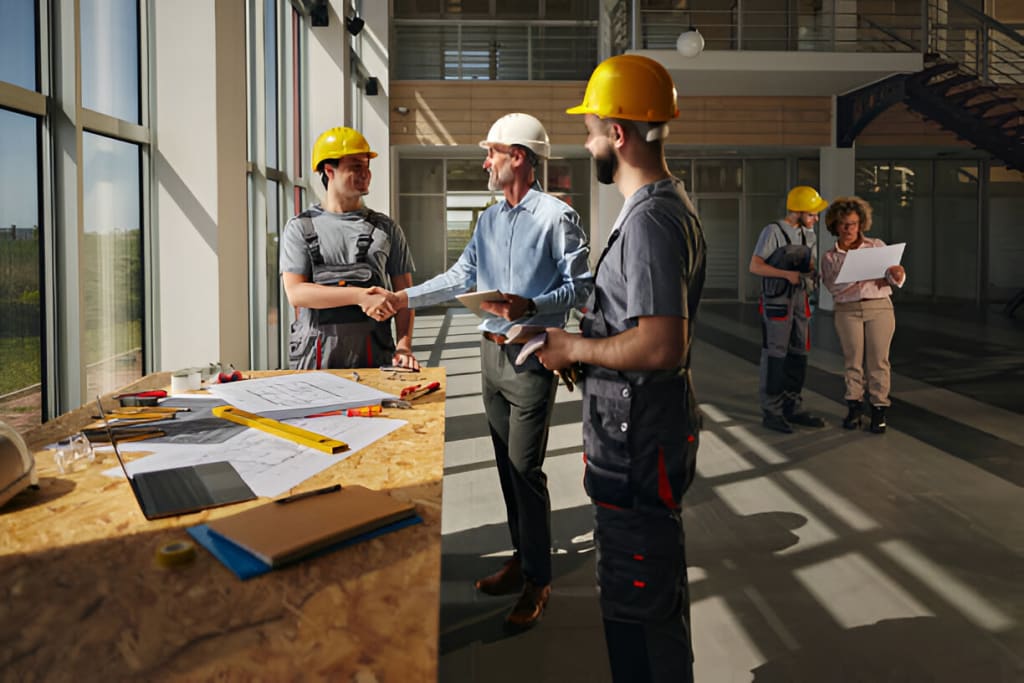
General contractors manage project budgeting by determining prices, collecting offers from vendors, tracking expenses throughout the project, and modifying budgets when needed. Hickory top rated Commercial General Contractor. They make certain that money are appropriate for the project, boosting productivity and minimizing financial risks
Is a GC Able to Help With Permits and Regulations?
Absolutely, a GC is able to help with permits and regulations by guiding through the complex requirements, ensuring compliance with local laws, and streamlining the submission procedure, thereby accelerating the project and lessening the chance of client postponements.
How Long Does It Usually Take for Hiring a General Contractor?

The usual duration for hiring a general contractor spans a few weeks to several months, depending on project complexity, how available the contractor is, and how quickly the client makes decisions, ensuring proper planning and that goals are aligned with construction. - Hickory top rated Commercial General Contractor
- Hickory top rated Commercial General Contractor
In What Ways Do General Contractors Effectively Handle Subcontractors?
General contractors manage subcontractors effectively by ensuring communication is clear, clearly defining expectations, monitoring progress regularly, and coordinating schedules. The GC makes certain that everyone understands their responsibilities, thereby fostering collaboration to maintain project timelines and meet quality requirements.